

Behind the Scenes: How Cache' Preps Guests for Winter Skin & Hair Needs | Cache' Salon Hanford


Behind the Scenes: How Cache' Preps Guests for Winter Skin & Hair Needs
Winter doesn’t just change the temperature. It changes how the body responds to its environment—especially hair, skin, and nails.
At Cache', seasonal shifts are never an afterthought. Long before guests notice dryness, sensitivity, or changes in texture, our team adjusts how we prepare, educate, and support each service to meet winter’s demands.
This is a look behind the scenes at how winter care is approached—intentionally, quietly, and with long-term results in mind.
Winter Starts with Understanding the Environment
The Central Valley presents a unique winter challenge. Low humidity, fluctuating temperatures, indoor heating, and environmental stressors pull moisture from the body faster than it can naturally replenish, as cold, dry winter air and low humidity cause moisture loss in skin and hair.
That’s why we don’t treat winter concerns as isolated issues. We look at how seasonal changes affect both hair and skin, because the same conditions that dry the scalp also impact facial skin, nails, and post-wax recovery.
How We Prepare Hair for Winter Conditions
Cold weather often leaves hair feeling dull, brittle, or unmanageable—not because hair is “damaged,” but because moisture balance has shifted.
Behind the scenes, winter hair prep focuses on:
Supporting hydration without heaviness
Reducing friction and static
Preserving the integrity of the hair cuticle
Understanding why winter hair feels dry allows our stylists to adjust consultation conversations, styling techniques, and at-home recommendations. Flyaways and breakage aren’t treated as styling problems—they’re treated as environmental responses.
That’s also why education around static and flyaways becomes part of winter conversations, not an afterthought at the styling chair.
Skin Prep Is About Barrier Support, Not Intensity
Winter skin behaves differently. It loses water faster, becomes more reactive, and recovers more slowly.
At Cache', winter skin preparation prioritizes:
Barrier repair
Reduced inflammation
Gentle, consistent care
Rather than pushing aggressive treatments, we guide guests toward approaches that support resilience—especially when discussing the best facial for dry Central Valley weather. Calm skin is healthy skin, and winter is not the season to overwhelm it.
Waxing Requires Seasonal Adjustments Too
Waxing in winter often feels more sensitive if routines don’t adapt. Cold air reduces skin flexibility, and dryness can increase reactivity.
That’s why winter waxing prep includes:
Emphasis on hydration and timing
Clear communication around sensitivity
More intentional aftercare education
Guests who follow winter waxing comfort and prep strategies often find winter waxing smoother than expected—and more consistent long-term.
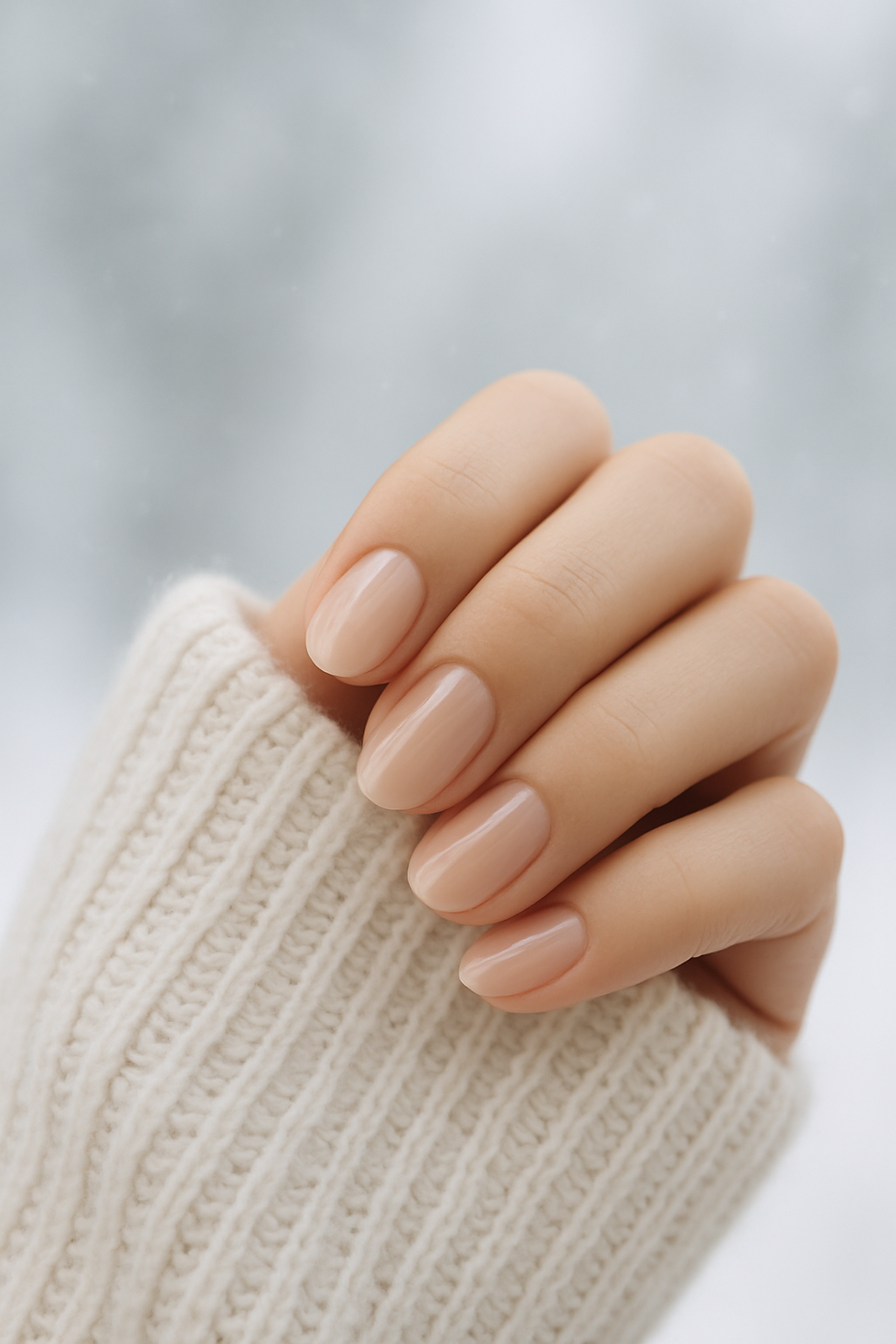
Nail Health Slows Down in Cold Weather
Nails are often the first place winter stress shows up. Growth slows, peeling increases, and brittleness becomes common.
Behind the scenes, nail conversations shift toward:
Protection over trends
Hydration and circulation support
Managing expectations around seasonal growth cycles
Explaining why nails grow slower in winter helps guests understand that consistency—not overcorrection—is what leads to healthier nails by spring.
Education Is the Real Preparation
What truly sets winter prep apart isn’t a product or a single service. It’s education.
Every seasonal adjustment is rooted in the belief that informed guests make better long-term decisions for their hair, skin, and nails. That philosophy is central to The Cache' Difference—where intention always comes before trends.
Winter care isn’t about chasing quick fixes. It’s about understanding the season, respecting the body, and supporting balance until conditions shift again.
Cache' Salon, Hanford, CA -Where Education Meets Intention.
Written by Tammy Brown
Owner of Cache' Salon in Hanford, CA
18-year cosmetologist specializing in color, transformations, and education.


Comments