

How Seasonal Changes Affect Skin Barrier Health | Cache' Salon Hanford

Updated: Aug 31

How Seasonal Changes Affect Skin Barrier Health
Your skin isn’t the same in January as it is in July. As the environment shifts, so does the way your skin behaves. Temperature, humidity, wind, and sun exposure all influence the skin barrier—the outermost layer responsible for keeping moisture in and irritation out.
When the barrier is supported, skin feels balanced and resilient. When it’s compromised, dryness, sensitivity, and reactivity tend to follow. Understanding how each season affects the skin barrier allows you to care for your skin intentionally, rather than reacting once problems appear.
Why Seasons Affect the Skin Barrier
The skin barrier acts as a protective shield. Its primary job is to regulate hydration while defending against environmental stressors. Seasonal changes can either support or disrupt this function depending on conditions.
Cold, dry weather challenges the barrier in very different ways than heat, sun, or humidity. At Caché Salon, we emphasize adapting skincare routines seasonally so the skin remains calm, hydrated, and supported year-round.
Winter: Cold Air and Dry Indoor Heat
What happens
Winter air holds very little moisture. Cold temperatures, wind, and indoor heating all contribute to dehydration by pulling water from the skin. As the barrier weakens, skin may feel tight, flaky, irritated, or more reactive than usual. Redness and sensitivity often increase during this time.
How to adapt
Winter skincare should focus on protection and hydration. Gentle, creamy cleansers help prevent stripping the skin of its natural oils. Rich moisturizers containing barrier-supporting ingredients like ceramides help restore balance. Using a humidifier at home can also reduce moisture loss caused by indoor heating.
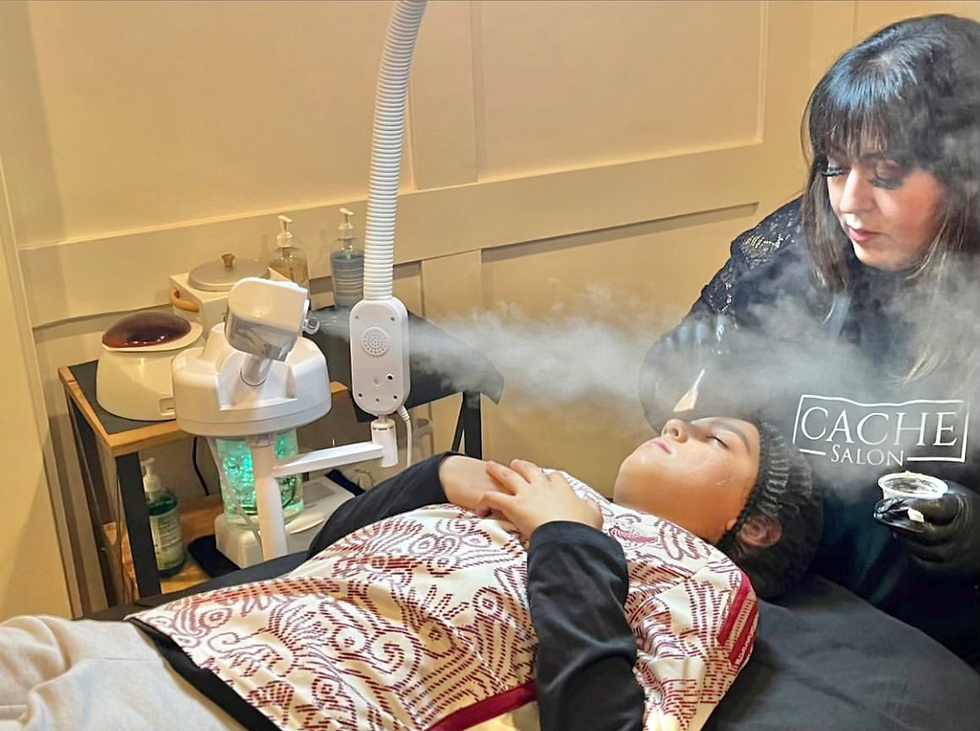
Using a humidifier at home can also reduce moisture loss caused by indoor heating. Sunscreen remains important even in winter, as UV exposure continues year-round. In particularly dry climates, such as California’s Central Valley, professional hydration treatments can offer additional support. Many clients benefit from the Best Facial for Dry Central Valley Weather during colder months to calm and replenish the skin.
Spring: Rebalancing and Sensitivity
What happens
As temperatures rise, humidity begins to return, which can be beneficial for the skin barrier. However, spring often brings unpredictable weather and increased allergens. Pollen and environmental changes can trigger inflammation, sensitivity, or mild breakouts as the skin adjusts.
How to adapt
Spring is a good time to gently refresh the skin. Light exfoliation can help remove winter buildup, but it’s important to avoid anything overly aggressive. Moisturizers may be adjusted to lighter textures while still maintaining hydration.
Ingredients known for calming the skin—such as niacinamide or aloe—can help reduce redness and irritation.
Sun protection becomes increasingly important as daylight hours lengthen, even on cooler days.
Summer: Heat, Sun, and Environmental Stress
What happens
Summer introduces increased UV exposure, heat, and perspiration. UV radiation is one of the most damaging factors to the skin barrier, breaking down the lipids that help skin retain moisture. Even when skin feels oily, dehydration can still occur beneath the surface.
Exposure to chlorine, saltwater, and frequent cleansing can further weaken the barrier if not properly balanced.
How to adapt
During summer, the goal is lightweight hydration and protection. Non-comedogenic moisturizers help maintain moisture without clogging pores. Gentle cleansers preserve the barrier even with more frequent washing.
Daily broad-spectrum sunscreen is essential. Antioxidants can also help defend the skin against environmental stress. After swimming, rinsing the skin and reapplying moisturizer helps prevent dryness and irritation.
Fall: Repair and Preparation
What happens
Fall often brings fluctuating temperatures and a noticeable drop in humidity. Skin that has endured summer sun exposure may show signs of dullness or dehydration as moisture levels decline. This transitional period is when the barrier often needs additional repair.
How to adapt
Fall skincare should focus on restoring balance and repairing the barrier before winter arrives. Hydrating masks and barrier-strengthening serums are especially helpful. As the air becomes drier, gradually incorporating richer moisturizers prepares the skin for colder months.
If summer sun exposure left the skin feeling uneven or depleted, gentle professional treatments can help reset the skin. Our Fall Hair & Skin Recovery guide explores how seasonal transitions affect both hair and skin and how to restore balance.
Supporting the Skin Barrier Year-Round
Regardless of the season, listening to your skin is key. Tightness, flaking, or sensitivity often signal the need for more hydration and gentler care. Oiliness or congestion may indicate a need for lighter textures without eliminating moisture altogether.
Healthy skin isn’t about constantly changing routines—it’s about making thoughtful adjustments as conditions change. At Caché Salon, our approach centers on education and personalization, helping clients maintain strong, resilient skin through every season.
When the skin barrier is supported consistently, skin feels calmer, looks healthier, and responds better to both professional treatments and home care.
Learn how facials support your skin barrier.
Cache' Salon, Hanford, CA -Where Education Meets Intention.
Written by Tammy Brown
Owner of Cache' Salon in Hanford, CA
18-year cosmetologist specializing in color, transformations, and education.

Comments